
Affordable Junk Removal in Charleston: Pricing & Services
Table of Contents
- What Makes Affordable Junk Removal Different in Charleston
- Understanding Junk Removal Cost Factors
- Minimum Junk Removal Charge: What to Expect
- Getting Your Junk Removal Quote
- Furniture Removal Cost and Special Items
- Reducing Junk Removal Costs Through Donation and Recycling
- Why Transparent Pricing Matters
- Scheduling Fast, Reliable Service When You Need It
- Frequently Asked Questions
Last Updated: October 6, 2026
What Makes Affordable Junk Removal Different in Charleston
When you’re looking for affordable junk removal Charleston offers, it isn’t just about finding the lowest price. It’s about understanding what drives costs and finding a service that delivers transparent pricing without hidden fees. At ND Junk Removals, we’ve learned that the real value comes from knowing exactly what you’re paying for before the truck arrives.
The challenge most people face is simple: you get a quote over the phone, agree to a price, and then the crew finds “complications” that add hundreds to your bill. That’s the junk removal industry at its worst. The better approach is understanding the factors that legitimately affect cost so you can compare quotes fairly and avoid surprises.
Understanding Junk Removal Cost Factors
The cost of junk removal depends on several interconnected factors. Volume is the primary driver, the more stuff you’re removing, the higher the cost. But volume alone doesn’t tell the whole story. Item type, complexity, and your property’s accessibility all matter significantly.
Volume and Weight
The amount of junk you need removed is the most straightforward cost factor. A single couch removal costs far less than clearing an entire garage. Most services measure volume by truckload capacity or by the percentage of truck space your items occupy.
Think of it in tiers: a small pickup load (roughly a quarter truck) costs less than a half-truck load, which costs less than a full truck. If you’re removing items that are dense and heavy, like a solid wood dining table or appliances, you might hit weight limits before filling the truck’s volume. That affects pricing too.
Item Type and Complexity
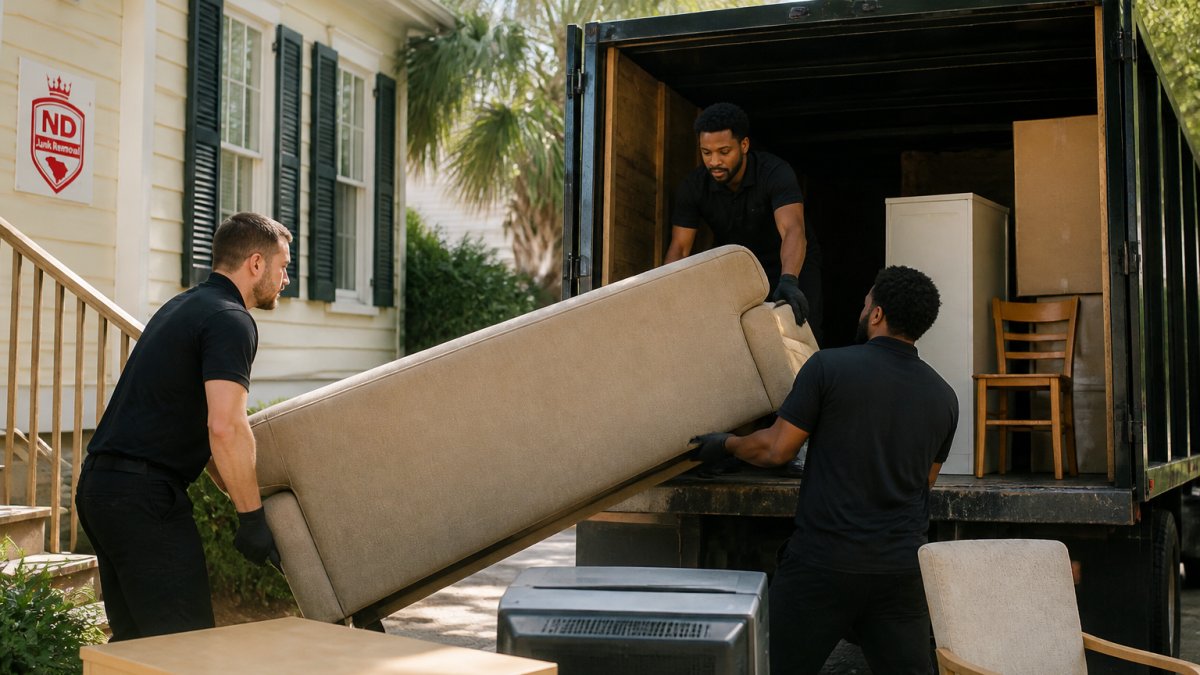
Not all junk is created equal. Removing a pile of cardboard boxes takes minutes. Removing a sofa from a second-floor apartment takes planning, careful maneuvering, and multiple team members. Electronics and appliances require special handling because they contain hazardous materials.
Items that need to be disassembled, carried down narrow staircases, or navigated through tight doorways add time and labor. Some items are straightforward to recycle or donate; others require specialized disposal. These variables all influence the final cost.
Location and Access
Where your junk is located affects labor time and logistics. Items in a basement accessible via a wide staircase are easier to remove than items in an attic with a pull-down ladder. Properties with long driveways or limited parking for the removal truck add complexity.
If your property is in a congested area or requires street permits for the truck, that’s another consideration. Rural properties might involve longer drive times. Each of these access factors influences pricing.
Minimum Junk Removal Charge: What to Expect
Almost every junk removal company in the area runs on a load-based pricing model with a minimum charge. The minimum is not a scam, it is the floor that covers dispatching a truck, a two-person crew, fuel, dump fees, and the administrative cost of a job. Understanding how that floor works is the single best way to avoid overpaying for a small haul.
How Load-Based Pricing Actually Works
Most companies quote by how much of the truck your items fill, not by the hour. A common structure looks like this:
- Minimum load, a few items, roughly the size of a pickup bed or a quarter of the truck. This is the floor price.
- Half load, about half the truck box, typical for a single-room cleanout or a garage purge.
- Full load, the entire truck box, typical for an estate cleanout or a small construction job.
Because the truck box is a fixed size, the crew can estimate volume on sight. That is why photos and a quick walkthrough matter more than a long item list, the estimator is really asking, “How much of the truck will this fill?”
What Drives the Minimum Up or Down
Two jobs that look identical can price differently because of these variables:
- Weight. A truck full of concrete, dirt, or roofing shingles can hit weight limits long before it fills the box. Heavy debris is often priced per ton on top of the volume rate.
- Labor time. A ground-floor garage is faster to clear than a third-floor walk-up. Stairs, long carries, and disassembly add crew hours.
- Disposal cost. Mattresses, tires, appliances with refrigerant, and electronics carry separate disposal or recycling fees in most markets because of state and local rules.
- Access. A driveway the truck can back into is cheaper than a street permit or a 200-foot carry.
Ask the dispatcher two questions before you book: “What is your minimum load price, and what items carry a separate disposal fee?” Those two numbers tell you more about your final bill than any hourly rate.
When the Minimum Is the Right Call
If you have one couch, one refrigerator, or a handful of boxes, the minimum is almost always cheaper than renting a truck, paying a landfill tipping fee, and recruiting a friend. If you have a full garage, the minimum is irrelevant, you will be quoted at a half or full load.
The practical takeaway: bundle small jobs. If you have a few items in the garage and a few in the basement, schedule one appointment. You pay one minimum instead of two, and the crew loads everything in a single trip.
Flexible Scheduling and Shared Loads
Some companies offer a lower rate if you can be flexible on timing, they slot your job onto a truck already heading to your part of the service area. This is sometimes called a shared load or a fill-in stop. It is not same-day, but it can shave meaningful dollars off a minimum-load job. If your timeline is not urgent, ask whether a flexible window is available.
Getting Your Junk Removal Quote
A proper quote requires specific information about what you’re removing and where it’s located. The more detail you provide upfront, the more accurate the estimate will be.
What Information You’ll Need
Have these details ready when you contact a service:
- A list of items you’re removing (furniture, appliances, general household clutter, construction debris)
- Quantities where relevant (one couch, three filing cabinets, a full garage)
- The locations of items (basement, attic, multiple rooms, outdoor storage)
- Access details (ground-level entry, narrow stairs, second-floor apartment)
- Timeline (same-day service, within a week, flexible)
Photos are incredibly helpful. A picture of your garage or basement gives the crew a realistic sense of volume and item types. Many services now accept photo submissions through their website or text, making the quoting process faster.
How to Compare Quotes Fairly
When you receive multiple quotes, you’re comparing more than just the final number. Look at what’s included in each quote and what might be charged separately.
Ask these specific questions:
Call Now & Save $20 OFF Your Pickup! →
- Is the quote all-inclusive, or are there additional fees for stairs, heavy items, or special disposal?
- What happens if the job takes longer than estimated?
- Are donations and recycling included, or do you pay extra for that?
- What’s the cancellation policy if you need to reschedule?
- Is the price guaranteed, or can it change on the day of service?
A service offering transparent pricing, where you know exactly what you’re paying and why, is worth choosing over the cheapest option. Hidden fees erode trust and create stress on the day of service.
Furniture Removal Cost and Special Items
Furniture removal is often the bulk of a junk removal job. A single piece like a couch or dresser might be handled as part of a larger cleanout, but large furniture items sometimes require special attention.
Heavy, awkward pieces, sectional sofas, bed frames, large dressers, take more labor to load safely. If furniture needs to be carried down stairs or through tight spaces, that increases labor time. Some pieces might be salvageable for donation, which affects how they’re handled.
Appliances and Electronics
Appliances and electronics are among the most important items to handle properly. They contain hazardous materials and can’t simply go to a landfill. Refrigerators, washing machines, air conditioners, and televisions require certified disposal.
Many junk removal services charge separately for appliances because of the specialized disposal requirements and environmental regulations. Some services can recycle or refurbish working appliances. When you get a quote, specify every appliance you’re removing so the estimate accounts for proper handling.
Construction Debris and Bulk Materials
Construction debris, drywall, wood, concrete, roofing materials, requires different handling than household junk. Contractors and builders often need rapid debris removal from active job sites.
Construction debris typically costs more per truckload because of weight and the equipment needed to load dense materials. However, many items can be recycled or salvaged. A service experienced in construction debris will know which materials have value and which require landfill disposal.
Reducing Junk Removal Costs Through Donation and Recycling
One of the most effective ways to reduce junk removal costs is to remove items before the service arrives. Anything you can donate, sell, or recycle yourself reduces the volume the service needs to haul.
Furniture in good condition, electronics that still work, and household items with resale value can be listed on local marketplaces or donated to charities. This accomplishes multiple goals: it reduces your removal cost, gives items a second life, and provides a tax deduction for donations.
A junk removal service that prioritizes recycling and donation, like ND Junk Removals, can often handle this sorting and placement for you. Instead of everything going to a landfill, items are diverted to donation centers, recycling facilities, or resale partners. This approach is better for the environment (the EPA).
Why Transparent Pricing Matters
Transparent pricing isn’t just about fairness, it’s about building trust and avoiding stress. When you know what you’re paying and why, you can make confident decisions about timing, what to include in the removal, and whether to add services.
Services that hide fees or use vague estimates create anxiety. You’re inviting a team into your home or business to handle your belongings. That relationship works better when there’s clarity from the start. A service willing to explain cost factors and provide detailed, itemized quotes demonstrates confidence in their pricing and respect for your situation.
This is especially important if you’re managing an estate cleanout, preparing a rental property for new tenants, or dealing with a time-sensitive situation. You need to know your costs upfront so you can budget and plan accordingly.
Scheduling Fast, Reliable Service When You Need It
Timing affects both cost and stress levels. Same-day or next-day service often commands a premium because it requires flexibility in crew scheduling.
However, sometimes fast service is worth the cost. If you’re preparing a property for sale, managing a tenant transition, or dealing with an urgent situation, rapid scheduling justifies the premium.
When you call for a quote, be clear about your timeline. A service that can accommodate your schedule and deliver reliable, professional work, without surprises or hidden fees, is the one that delivers real value.
Finding affordable junk removal Charleston services means looking beyond the lowest price. The real value comes from transparent, upfront pricing that covers all costs, professional handling of your belongings, and responsible disposal practices.
Frequently Asked Questions
What is the minimum charge for junk removal?
Minimum junk removal charges vary based on truck size, travel distance, and local market conditions. Most providers set minimums to cover fuel and labor costs for small jobs. Contact ND Junk Removals for a free quote to learn the exact minimum charge for your specific removal needs in your area.
How much does junk removal typically cost?
Junk removal cost depends on volume, item types, location accessibility, and disposal method. Residential cleanouts, furniture removal, and appliance hauling are priced differently. Visit the ND Junk Removals pricing page or request a free estimate to get accurate pricing for your job based on what you’re removing.
Can donating or recycling items reduce junk removal costs?
Yes. Removing items yourself before scheduling pickup or donating reusable furniture and appliances can significantly lower your junk removal quote. Fewer items mean lower labor and hauling costs. ND Junk Removals prioritizes recycling and donation, so discuss which items are candidates when you request your estimate.
Should I get multiple junk removal quotes before booking?
Comparing quotes helps you understand pricing differences and find reliable service. When evaluating quotes, confirm what’s included: labor, hauling, disposal fees, and whether items are recycled or donated. Transparent pricing with no hidden fees is a sign of a trustworthy provider. ND Junk Removals offers upfront estimates so you know the full cost before scheduling.